

What is the lifespan of a face mask? This is a question that has gained significant attention, especially in the wake of the global health concerns that have made face masks a staple in our daily lives. As a face mask supplier, I've had numerous inquiries from customers about how long they can use a single face mask. In this blog, I'll delve into the factors that affect the lifespan of different types of face masks and provide some guidelines to help you make the most of your protective gear.

Types of Face Masks and Their General Lifespan
Disposable Mouth Mask
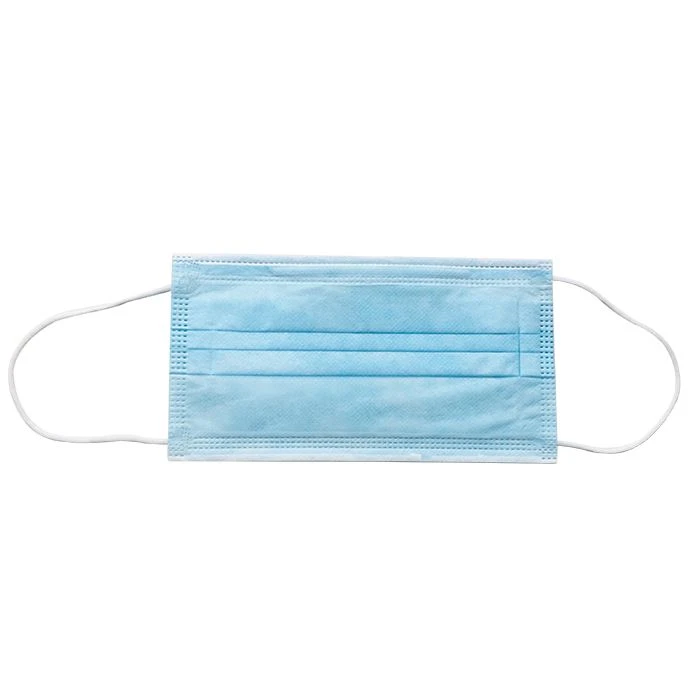
Disposable mouth masks, such as the ones you can find Disposable Mouth Mask, are designed for short - term use. These masks are typically made of lightweight materials and are not intended to be reused extensively.
The lifespan of a disposable mouth mask is generally limited to a single use or a few hours of continuous wear. This is because they are not very durable, and their filtration efficiency can decrease over time. Once the mask becomes wet from breathing, talking, or sweating, its ability to filter out particles is compromised. Additionally, the outer layer of the mask can accumulate dirt, bacteria, and other contaminants, making it less effective as a protective barrier.
If you are in a low - risk environment, such as a short trip to the grocery store, a disposable mouth mask can be used for a single outing. However, if you are in a high - risk environment, like a crowded hospital waiting room, it is recommended to replace the mask every 2 - 4 hours.
3 Ply Surgical Face Mask
3 Ply Surgical Face Mask is a popular choice for medical and general public use. These masks consist of three layers: an outer layer that repels water and large particles, a middle layer that filters out smaller particles, and an inner layer that absorbs moisture.
Under normal circumstances, a 3 ply surgical face mask can be used for up to 4 - 8 hours. However, this lifespan can be affected by several factors. For example, if the mask is worn in a high - humidity environment, the moisture can saturate the middle filtration layer, reducing its effectiveness. Similarly, if the mask is exposed to a high concentration of pollutants or particles, it may become clogged more quickly.
It's important to note that once a 3 ply surgical face mask is damaged, such as having a torn strap or a hole in the fabric, it should be replaced immediately. Also, if the mask becomes visibly soiled or if you can smell an odor through it, it's time for a new one.
High Protective Face Mask
High protective face masks, like the ones available at High Protective Face Mask, are designed for more demanding situations, such as working in a laboratory or in an environment with a high risk of airborne pathogens. These masks often have a higher filtration efficiency and are more durable than disposable or surgical masks.
The lifespan of a high - protective face mask can vary depending on the specific model and the conditions of use. Some high - protective masks can be used for up to 24 hours or even longer. However, they still need to be monitored regularly. If the mask becomes difficult to breathe through, it may be clogged with particles and should be replaced.
Reusable high - protective masks may require proper cleaning and maintenance to extend their lifespan. Some masks can be washed according to the manufacturer's instructions, while others may need to be disinfected using specific methods.
Factors Affecting the Lifespan of Face Masks
Environmental Conditions
The environment in which a face mask is used plays a crucial role in determining its lifespan. In a dry and clean environment, a mask may last longer compared to a humid and polluted one. High humidity can cause the mask's materials to break down more quickly and can also promote the growth of bacteria. Polluted environments, on the other hand, can lead to the rapid accumulation of particles on the mask, reducing its filtration efficiency.
Frequency of Use
How often a mask is worn also affects its lifespan. If a mask is used continuously for long periods, it is more likely to become worn out and less effective. For example, a healthcare worker who wears a mask for an entire shift may need to replace it more frequently than someone who only wears a mask for a short period each day.
Storage Conditions
Proper storage of face masks is essential for maintaining their effectiveness. Masks should be stored in a clean, dry place away from direct sunlight and heat. If a mask is stored in a dirty or damp environment, it can become contaminated and lose its protective properties.
Tips for Extending the Lifespan of Face Masks
Proper Handling
When putting on and taking off a face mask, make sure to handle it by the straps and avoid touching the front of the mask. This can prevent the transfer of dirt and bacteria from your hands to the mask. Also, when removing the mask, fold it in half with the contaminated side facing inwards to minimize the spread of contaminants.
Cleaning and Disinfection (for Reusable Masks)
If you have a reusable face mask, follow the manufacturer's instructions for cleaning and disinfection. Some masks can be washed in a washing machine on a gentle cycle with mild detergent, while others may require hand - washing. After cleaning, make sure the mask is completely dry before using it again.
Conclusion
Understanding the lifespan of a face mask is crucial for ensuring its effectiveness in protecting you from harmful particles and pathogens. As a face mask supplier, I recommend that you choose the right type of mask based on your specific needs and the environment in which you will be using it. Always follow the manufacturer's guidelines for use and replacement.
If you are interested in purchasing high - quality face masks for your personal or professional use, I encourage you to reach out to me for more information and to discuss your specific requirements. I'm here to help you find the best face mask solutions to keep you and your loved ones safe.
References
- Centers for Disease Control and Prevention (CDC). Guidelines for face mask use.
- World Health Organization (WHO). Recommendations on the use of masks in the context of COVID - 19.
- Manufacturer's instructions for various face mask products.