

Hey there! As a supplier of glass cutting machines, I've seen it all when it comes to keeping these machines in tip - top shape. So, let's dive right into what kind of maintenance a glass cutting machine needs.
Regular Cleaning
The first and most basic maintenance task for a glass cutting machine is regular cleaning. You've got to understand that glass cutting creates a ton of debris. Glass shards, dust, and other particles can accumulate on the machine's surface, in the cutting area, and even inside its components.
When cleaning the exterior, use a soft, dry cloth to wipe down the body of the machine. This helps to prevent any scratches on the surface. For the cutting area, a compressed air gun can be super useful. It can blow away those tiny glass shards that are often hard to reach. Be careful when doing this though, as you don't want to damage any sensitive parts.
The inside of the machine also needs attention. There are usually filters and vents that can get clogged with dust. Clogged filters can reduce the machine's efficiency and even lead to overheating. So, make sure to check and clean these filters regularly. You might also need to use a small brush to remove dust from hard - to - reach corners.
Lubrication
Moving parts in the glass cutting machine need proper lubrication. This includes the blades, the conveyor belts, and any other components that slide or rotate. Lubrication reduces friction, which in turn extends the lifespan of these parts and ensures smooth operation.
For the blades, use a high - quality cutting fluid. This not only lubricates the blade but also helps to cool it down during the cutting process. Overheating can cause the blade to dull quickly, so keeping it cool is crucial.
When it comes to the conveyor belts and other mechanical parts, use a suitable lubricant as recommended by the machine's manufacturer. Apply the lubricant at regular intervals, and make sure not to over - lubricate, as this can attract dust and debris.
Blade Maintenance
The blade is the heart of a glass cutting machine, so taking good care of it is essential. First of all, you need to check the blade regularly for signs of wear and tear. A dull blade won't cut the glass cleanly, which can lead to rough edges and inaccurate cuts.
If you notice that the blade is starting to dull, it might be time to replace it. However, before replacing it, you can try sharpening it. Some blades are designed to be sharpened, and there are specific sharpening tools available for this purpose. Follow the manufacturer's instructions carefully when sharpening the blade to avoid any damage.
Also, make sure that the blade is properly aligned. Misaligned blades can cause uneven cuts and put extra stress on the machine. You can use alignment tools to check and adjust the blade's position if needed.

Calibration
Calibration is another important aspect of maintaining a glass cutting machine. Over time, the machine's cutting accuracy can drift due to various factors such as wear and tear, vibrations, and changes in temperature.
To ensure precise cuts, you need to calibrate the machine regularly. This involves adjusting the cutting parameters such as the cutting speed, pressure, and depth. You can use calibration tools and software provided by the manufacturer to perform this task.
During calibration, you'll need to measure the cuts made by the machine and compare them to the desired specifications. Based on the results, you can make the necessary adjustments. It might take a few tries to get the calibration just right, but it's well worth the effort.
Electrical System Check
The electrical system of a glass cutting machine is prone to issues if not properly maintained. Check the wiring regularly for any signs of fraying, loose connections, or overheating. Loose connections can cause power disruptions, while frayed wires are a serious safety hazard.
It's also important to keep the electrical components clean and dry. Moisture can cause short circuits and damage the electrical system. If you notice any problems with the electrical system, don't try to fix it yourself unless you're a trained professional. Instead, contact a qualified technician to handle the repairs.
Software Updates
Most modern glass cutting machines are equipped with software that controls the cutting process. These software programs need to be updated regularly to ensure optimal performance.
Software updates often include bug fixes, performance improvements, and new features. By keeping the software up - to - date, you can take advantage of these enhancements and ensure that your machine is running at its best.
Check the manufacturer's website regularly for software updates. Follow the instructions provided to install the updates correctly. Sometimes, you might need to back up your existing cutting programs and settings before installing the update.
Safety Checks
Safety should always be a top priority when maintaining a glass cutting machine. Check all the safety features of the machine, such as emergency stop buttons, safety guards, and sensors. Make sure that these features are working properly and are in good condition.
The emergency stop button should be easily accessible and should stop the machine immediately when pressed. Safety guards should be intact and properly installed to prevent any accidental contact with moving parts. Sensors, such as those that detect the presence of glass or any obstructions, should also be functioning correctly.
Maintenance Schedule
To make sure that all these maintenance tasks are carried out regularly, it's a good idea to create a maintenance schedule. List out all the maintenance tasks, including the frequency of each task (daily, weekly, monthly, etc.).
Assign responsibility for each task to a specific person or team. This will help to ensure that nothing gets overlooked. You can also use a maintenance log to record when each task was completed, which can be useful for tracking the machine's maintenance history.
Additional Machines and Their Maintenance Considerations
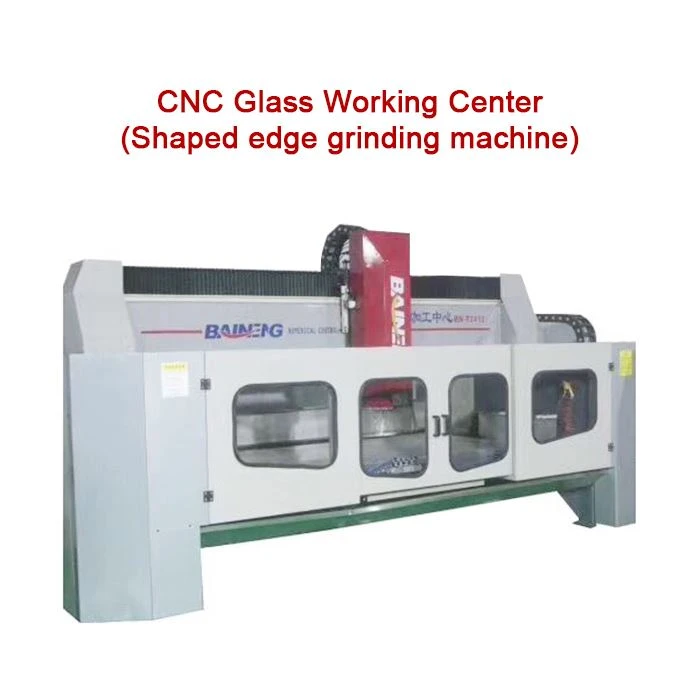
In addition to glass cutting machines, we also offer related machines like the CNC Milling Glass. This machine requires similar maintenance steps such as regular cleaning, lubrication of moving parts, and software updates. However, due to its more complex operation for milling glass, it might need more frequent calibration to ensure precision in the milling process.
The Small Glass Edge Polishing Machine also needs attention. The polishing pads need to be checked and replaced regularly as they wear out over time. And the water supply system, which is often used for cooling during the polishing process, should be kept clean and free from blockages.
The Glass Beveling Machine has its own set of maintenance requirements. The beveling wheel is a critical component that needs to be sharpened and balanced properly. And the machine's alignment for creating the beveled edges needs to be checked regularly.
Conclusion
Maintaining a glass cutting machine is not a one - time task but an ongoing process. By following these maintenance tips, you can extend the lifespan of your machine, improve its performance, and ensure the quality of your glass cuts. If you have any questions about maintaining your glass cutting machine or are interested in purchasing one of our machines, don't hesitate to reach out. We're here to help you make the most of your glass - processing operations.
References
- Manufacturer's manuals for glass cutting machines
- Industry best practices for glass - processing machinery maintenance