

In the face of the ever - present threat of airborne pathogens and environmental pollutants, the importance of wearing face masks has been emphasized more than ever. As a leading face mask supplier, we understand that many individuals are constantly seeking ways to enhance the protection provided by their cloth face masks. Adding a filter to a cloth face mask is a practical and effective method to achieve this goal. In this blog, we will walk you through the process of adding a filter to a cloth face mask, providing you with scientific and reasonable guidance.
Why Add a Filter to a Cloth Face Mask?
Cloth face masks have become a popular choice for many due to their reusability, comfort, and the ability to be customized in terms of design. However, compared to some specialized masks like KN95 Face Mask, the filtration efficiency of a basic cloth face mask may be relatively lower. By adding a filter, you can significantly improve its ability to block harmful particles, such as dust, pollen, bacteria, and viruses.
Scientific studies have shown that a well - fitted cloth face mask with a proper filter can provide a comparable level of protection to some disposable masks. This is especially important in high - risk environments, such as crowded public places, hospitals, and areas with poor air quality.
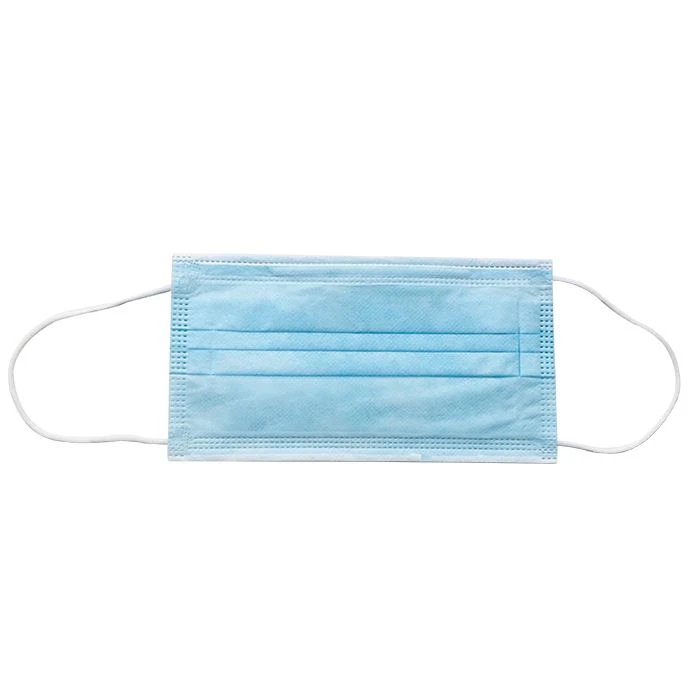

Types of Filters Suitable for Cloth Face Masks
There are several types of filters that you can use for your cloth face mask. Each type has its own characteristics and filtration capabilities.
- Disposable Filter Inserts: These are pre - made filters that are specifically designed to be inserted into cloth face masks. They are usually made of non - woven materials and offer a high level of filtration efficiency. You can find disposable filter inserts in various sizes and filtration ratings. For example, some inserts are designed to filter out 95% of particles larger than 0.3 microns, similar to the performance of a KN95 Face Mask.
- Coffee Filters: Coffee filters are a readily available and inexpensive option. They are made of paper and can provide a certain degree of filtration. While they may not be as effective as specialized filter inserts, they can still help to block larger particles. However, coffee filters may need to be replaced more frequently as they can become saturated with moisture quickly.
- HEPA Filters: High - Efficiency Particulate Air (HEPA) filters are known for their excellent filtration performance. They can remove up to 99.97% of particles as small as 0.3 microns. However, HEPA filters are usually designed for air purifiers and may need to be cut into the appropriate size to fit your cloth face mask. Additionally, they can be relatively expensive compared to other filter options.
Steps to Add a Filter to a Cloth Face Mask
Now that you have chosen the type of filter you want to use, here are the steps to add it to your cloth face mask:
- Prepare Your Materials: Gather your cloth face mask, the chosen filter, a pair of scissors (if needed to cut the filter), and a pen or marker.
- Measure and Mark the Filter: If you are using a filter that needs to be cut to size, place the filter on top of the cloth face mask and use a pen or marker to mark the outline of the area where the filter will be inserted. Make sure to leave some extra space around the edges to ensure a proper fit.
- Cut the Filter: Use the scissors to carefully cut the filter along the marked lines. If you are using a pre - made filter insert, this step may not be necessary.
- Insert the Filter: Open the pocket or layer of the cloth face mask where the filter will be placed. Some cloth face masks are designed with a built - in filter pocket, while others may require you to create a pocket by sewing a layer of fabric onto the inside of the mask. Gently insert the filter into the pocket, making sure it is flat and covers the entire area.
- Check the Fit: Once the filter is inserted, put on the cloth face mask and check the fit. Make sure the mask fits snugly around your face, covering your nose and mouth. Adjust the ear loops or straps if necessary to ensure a comfortable and secure fit.
Tips for Using Filtered Cloth Face Masks
- Replace the Filter Regularly: Depending on the type of filter and the frequency of use, you should replace the filter regularly. Disposable filter inserts should be replaced according to the manufacturer's instructions, usually after a few hours of use. Coffee filters may need to be replaced more frequently, especially if they become wet or dirty.
- Wash the Cloth Face Mask Properly: When it's time to wash your cloth face mask, remove the filter first. Wash the mask in hot water with detergent and dry it thoroughly. Make sure the mask is completely dry before inserting a new filter.
- Store the Filters Properly: Keep your filters in a clean and dry place to prevent contamination. If you are using disposable filter inserts, store them in their original packaging until you are ready to use them.
Our Face Mask Products
As a face mask supplier, we offer a wide range of high - quality face masks, including Earloop Face Mask, KN95 Face Mask, and Disposable Mouth Mask. Our masks are made of premium materials and are designed to provide excellent protection and comfort.
We also provide filter inserts that are specifically designed to work with our cloth face masks. These filter inserts are made of high - quality non - woven materials and offer a high level of filtration efficiency. Whether you are looking for a mask for personal use or for bulk purchase for your business, we have the products to meet your needs.
Contact Us for Purchase and Negotiation
If you are interested in our face mask products or have any questions about adding filters to cloth face masks, we encourage you to contact us. We have a professional sales team that can provide you with detailed product information, pricing, and delivery options. We are committed to providing our customers with the best products and services, and we look forward to the opportunity to work with you.
References
- Centers for Disease Control and Prevention (CDC). "How to Make and Use Cloth Face Coverings."
- World Health Organization (WHO). "Advice on the use of masks in the context of COVID - 19."
- American Society for Testing and Materials (ASTM). "Standard Specification for Performance of Materials Used in Medical Face Masks."