

When it comes to personal protective equipment, a well-fitting face mask is crucial. As a face mask supplier, I've seen firsthand the importance of ensuring that masks fit properly to provide the best protection. In this blog post, I'll share some practical tips on how to check if your face mask fits well.
Understanding the Basics of Mask Fit
Before diving into the specific methods of checking mask fit, it's important to understand why a good fit matters. A properly fitting face mask creates a seal around your nose and mouth, preventing the entry of airborne particles, including viruses and bacteria. If there are gaps between the mask and your face, air can leak in and out, reducing the mask's effectiveness.
Visual Inspection
The first step in checking if your face mask fits well is a visual inspection. Hold the mask up to your face without putting it on. Look for any signs of obvious misalignment or gaps. The mask should cover your nose, mouth, and chin completely. If the mask is too small, it may not cover these areas adequately, leaving you vulnerable to exposure. On the other hand, if the mask is too large, it may not form a proper seal.
The Pinch Test
Once you've visually inspected the mask, put it on and perform the pinch test. This test is particularly important for masks with a nose wire, such as 3 Ply Surgical Face Mask and KN95 Face Mask. Pinch the nose wire gently to mold it to the shape of your nose. Then, inhale and exhale slowly. If you feel air leaking from the top of the mask near your nose, adjust the nose wire until you no longer feel the leak.
The Feel Test
In addition to the visual inspection and the pinch test, you can also use the feel test to check the mask fit. Pay attention to how the mask feels on your face. It should feel snug but not too tight. If the mask is too tight, it may cause discomfort and make it difficult to breathe. If it's too loose, it won't provide adequate protection. You should be able to breathe comfortably through the mask without feeling any resistance.
The Movement Test
Another way to check if your face mask fits well is to perform the movement test. Move your head around, talk, cough, and sneeze while wearing the mask. If the mask stays in place and you don't feel any air leaking, it's a good sign that it fits properly. However, if the mask slips or you feel air leaking when you move, you may need to adjust the straps or try a different size or style of mask.
Different Types of Masks and Their Fit Requirements
Not all masks are created equal, and different types of masks have different fit requirements. Here's a breakdown of some common types of masks and how to check their fit:
Disposable Face Mask
Disposable Face Mask are one of the most commonly used types of masks. They are typically made of non-woven fabric and come with ear loops. To check if a disposable face mask fits well, make sure the ear loops are adjusted properly so that the mask covers your nose, mouth, and chin completely. You can also perform the pinch test and the movement test to ensure a good fit.
3 Ply Surgical Face Mask
3 Ply Surgical Face Mask are designed to provide a higher level of protection than disposable face masks. They usually have a nose wire and ear loops or ties. When checking the fit of a 3 Ply Surgical Face Mask, pay special attention to the nose wire. Mold it to the shape of your nose to prevent air leakage. Also, make sure the mask is secured tightly around your face using the ear loops or ties.
KN95 Face Mask
KN95 Face Mask are similar to N95 respirators and are designed to filter out at least 95% of airborne particles. They typically have a nose wire and headbands. To check the fit of a KN95 Face Mask, follow the same steps as for a 3 Ply Surgical Face Mask. Pinch the nose wire to create a seal around your nose and adjust the headbands to ensure a snug fit.
Importance of a Good Mask Fit for Different Settings
A good mask fit is important in all settings, but it's especially crucial in high-risk environments. In healthcare settings, for example, healthcare workers need to wear masks that fit properly to protect themselves and their patients from infectious diseases. In public places, such as supermarkets and public transportation, a well-fitting mask can help reduce the spread of viruses and bacteria.
Troubleshooting Mask Fit Issues
If you're having trouble getting a good fit with your face mask, there are several things you can try. First, make sure you're wearing the mask correctly. Read the instructions carefully and follow the recommended steps for putting on and adjusting the mask. If the mask is still too loose or too tight, try a different size or style. Some masks come in different sizes, so you may be able to find one that fits you better.
Conclusion
Ensuring that your face mask fits well is essential for protecting yourself and others from airborne particles. By following the tips outlined in this blog post, you can easily check if your face mask fits properly. Remember, a good mask fit is not only important for your health but also for the health of those around you.

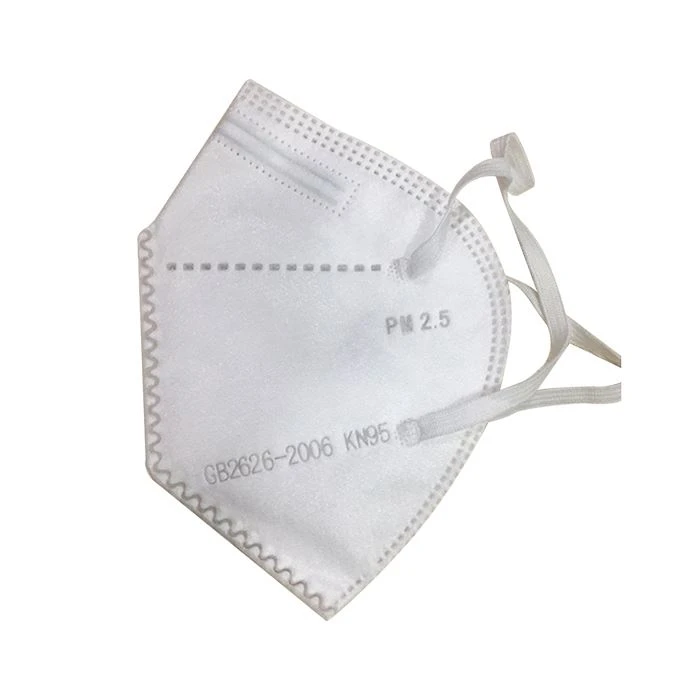
If you're interested in purchasing high-quality face masks that fit well, I encourage you to reach out to us. We offer a wide range of face masks, including Disposable Face Mask, 3 Ply Surgical Face Mask, and KN95 Face Mask. Contact us to discuss your requirements and start a procurement negotiation.
References
- Centers for Disease Control and Prevention (CDC). (2023). How to Wear Your Mask Correctly. Retrieved from [CDC website].
- World Health Organization (WHO). (2023). Advice on the use of masks in the context of COVID-19. Retrieved from [WHO website].