

As a seasoned supplier of Glass Etching Machines, I understand the importance of proper storage for these precision tools. In this blog post, I'll share some essential tips on how to store a glass etching machine to ensure its longevity and optimal performance.
1. Choose the Right Location
The first step in storing a glass etching machine is to select an appropriate location. The storage area should be dry, clean, and well - ventilated. Moisture can cause rust and corrosion on the machine's metal parts, while dust can accumulate in sensitive components and affect its operation.
Avoid storing the machine in areas prone to flooding or high humidity, such as basements without proper waterproofing. A temperature - controlled environment is ideal, as extreme temperatures can also damage the machine. For example, very low temperatures can make the lubricants in the machine too viscous, while high temperatures can cause overheating of electrical components.
2. Clean the Machine Thoroughly
Before storing the glass etching machine, it's crucial to clean it thoroughly. Remove any glass debris, dust, and residues from the etching area, worktable, and all exposed parts. Use a soft brush or compressed air to clean hard - to - reach areas.
For the cutting tools and etching heads, clean them carefully according to the manufacturer's instructions. This may involve using a specific cleaning solution to remove any stubborn contaminants. After cleaning, dry all parts completely to prevent the growth of mold or mildew during storage.
3. Lubricate Moving Parts
Lubrication is essential to keep the moving parts of the glass etching machine in good condition during storage. Apply a suitable lubricant to all the axes, bearings, and other moving components as recommended by the manufacturer. This helps to prevent rust and ensures smooth operation when the machine is put back into use.
However, be careful not to over - lubricate, as excess lubricant can attract dust and dirt, which may cause more harm than good. Wipe off any excess lubricant after application.
4. Protect the Electrical Components
The electrical components of the glass etching machine are sensitive and need special protection during storage. Disconnect the machine from the power source and cover all electrical connectors with protective caps or insulating tape to prevent dust and moisture from entering.
If possible, store the machine in an anti - static bag or a cabinet lined with anti - static material to protect the electronic circuits from electrostatic discharge, which can damage the components.
5. Secure Loose Parts
Check the machine for any loose parts, such as bolts, nuts, and small accessories. Tighten all loose fasteners to prevent them from getting lost during storage. Store any removable parts, such as extra cutting tools or etching nozzles, in a separate, labeled container. This makes it easier to locate and reinstall them when needed.
6. Cover the Machine
Use a custom - made or appropriate cover to protect the glass etching machine from dust, scratches, and physical damage. The cover should be made of a durable and breathable material. A plastic cover may seem like a good option, but it can trap moisture if not properly ventilated.
A fabric cover with a water - repellent coating is often a better choice. Make sure the cover fits snugly over the machine to provide maximum protection.

7. Store in an Upright Position
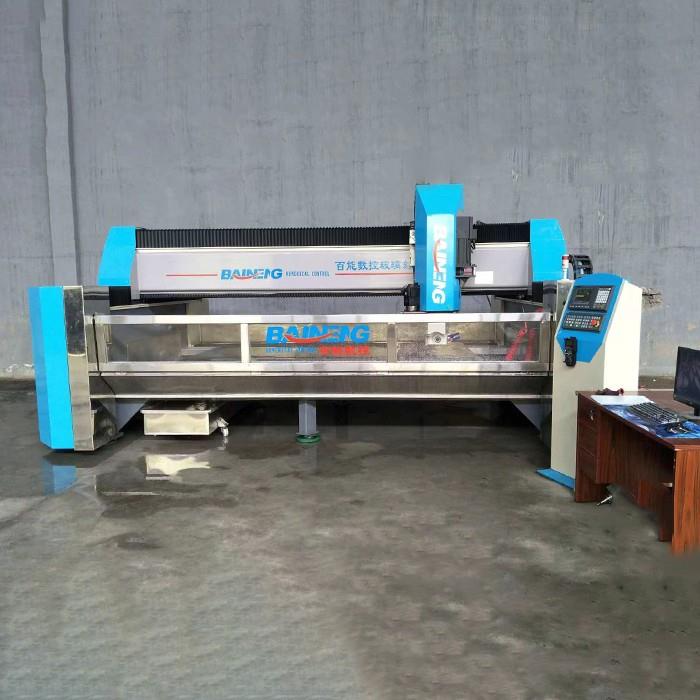
Whenever possible, store the glass etching machine in an upright position. This helps to maintain the alignment of the internal components and prevents any potential damage that could occur if the machine is stored on its side or upside down.
If the machine is too large to store upright, follow the manufacturer's guidelines on the proper storage orientation. Some machines may have specific requirements regarding their storage position to ensure the integrity of their internal mechanisms.
8. Regular Inspections
Even during storage, it's important to conduct regular inspections of the glass etching machine. Check for any signs of rust, corrosion, or damage every few months. If you notice any issues, address them immediately to prevent further deterioration.
Inspect the lubrication levels and re - apply lubricant if necessary. Also, check the integrity of the cover and any protective measures you've put in place.
Why Proper Storage Matters
Proper storage of a glass etching machine not only extends its lifespan but also saves you money in the long run. A well - stored machine will require fewer repairs and replacements, and it will be ready to produce high - quality results as soon as it's put back into use.
For example, if the machine is not stored correctly and develops rust on its axes, it can lead to inaccurate etching and reduced precision. This can result in wasted materials and lower - quality products, which can have a negative impact on your business.
Related Machines
If you're interested in other types of glass processing machines, we also offer Glass Carving Machine, CNC Router Engraving, and 4 Axis Glass Engraving Machine. These machines are designed to meet different glass processing needs and can complement your existing equipment.
Contact Us for Purchase and Consultation
If you're in the market for a new glass etching machine or need more information about storage and maintenance, don't hesitate to contact us. We have a team of experts who can provide you with detailed advice and help you make the right choice for your business. Whether you're a small - scale workshop or a large - scale manufacturing plant, we have the right solution for you.
References
- Manufacturer's manuals of glass etching machines
- Industry best practices for machinery storage and maintenance
So, by following these storage tips, you can ensure that your glass etching machine remains in top - notch condition and continues to serve you well for years to come.