

The maximum engraving area of a glass engraving machine is a crucial factor that significantly influences its functionality and application scope. As a seasoned supplier of glass engraving machines, I've witnessed firsthand how this parameter can make or break a project, whether it's a small - scale art piece or a large - scale commercial installation.
Understanding the Concept of Engraving Area
The engraving area of a glass engraving machine refers to the maximum size of the glass surface that the machine can engrave at one time. It is typically measured in two dimensions, length and width, and is expressed in units such as millimeters (mm) or inches (in). This area is defined by the physical movement range of the engraving tool within the machine's working space.
For instance, if a machine has an engraving area of 600mm x 800mm, it means that it can engrave on a glass sheet with a maximum length of 800mm and a maximum width of 600mm without having to re - position the glass. However, it's important to note that this does not mean the entire area must be used for engraving. The operator can choose to engrave a smaller design within this area according to their needs.
Factors Affecting the Maximum Engraving Area
Machine Design and Structure
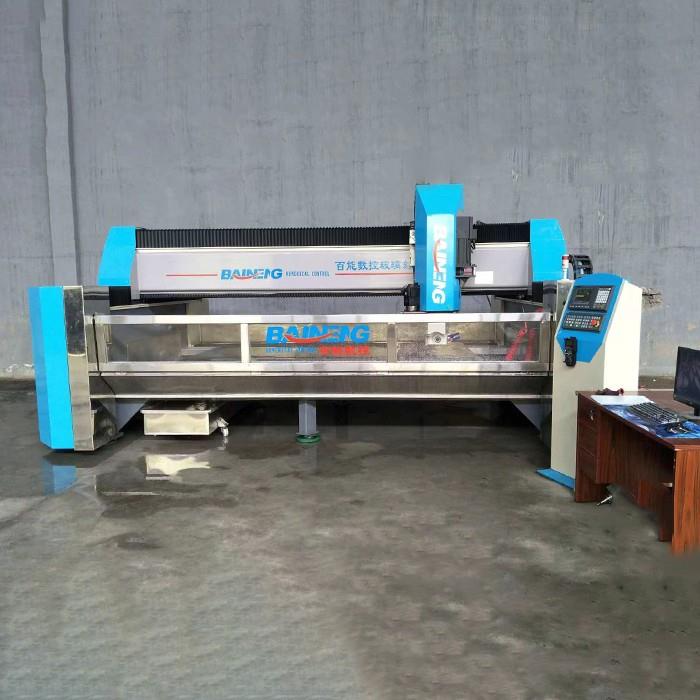
The mechanical design of the glass engraving machine plays a fundamental role in determining the maximum engraving area. Machines with a more robust and well - engineered structure can support larger working areas. For example, a gantry - style glass engraving machine often has a larger engraving area compared to a desktop - type machine. The gantry structure allows for greater movement of the engraving head along the X, Y, and sometimes Z axes, enabling it to cover a wider surface.
Motor and Drive System
The power and precision of the motor and drive system also impact the maximum engraving area. A high - torque motor can move the engraving head smoothly and accurately across a larger area. The drive system, whether it's a ball - screw drive or a belt drive, must be able to handle the load and provide stable movement. For large - area engraving, a ball - screw drive is often preferred due to its higher accuracy and better load - carrying capacity.
Control System
The control system of the glass engraving machine is responsible for coordinating the movement of the engraving head. A sophisticated control system can manage the engraving process across a large area more effectively. It can handle complex designs and ensure that the engraving quality remains consistent throughout the entire area. Some advanced control systems also offer features like auto - leveling and error compensation, which are essential for large - scale engraving.
Different Types of Glass Engraving Machines and Their Engraving Areas
Desktop Glass Engraving Machines
Desktop glass engraving machines are compact and suitable for small - scale projects, such as creating personalized glassware, jewelry, or small art pieces. These machines typically have a maximum engraving area ranging from 100mm x 100mm to 300mm x 400mm. They are easy to operate and can be placed on a regular workbench, making them a popular choice for hobbyists and small businesses.
Industrial - Grade Glass Engraving Machines
Industrial - grade glass engraving machines are designed for high - volume production and large - scale projects. These machines can have much larger engraving areas, often ranging from 1000mm x 1500mm to 3000mm x 4000mm or even larger. They are commonly used in the glass manufacturing industry for applications such as architectural glass, automotive glass, and large - format glass signage.
Our Product Offerings and Their Engraving Areas
As a glass engraving machine supplier, we offer a wide range of products to meet different customer needs. Our 4 Axis Glass Engraving Machine is a state - of - the - art machine with a maximum engraving area of up to 2000mm x 1500mm. This machine is equipped with a high - precision four - axis control system, allowing for complex 3D engraving on glass surfaces. It is suitable for large - scale industrial applications and high - end art projects.
Our Glass Carving Machine is another popular product. It has a maximum engraving area of 1200mm x 800mm and is ideal for medium - sized glass products such as mirrors, decorative panels, and glass partitions. The machine is designed with a user - friendly interface and advanced carving algorithms, ensuring high - quality and efficient engraving.
The CNC Glass V Groove Machine we provide has a maximum engraving area of 1500mm x 1000mm. This machine is specifically designed for creating V - shaped grooves on glass, which are commonly used in architectural and interior design applications. The precise control system and high - speed spindle enable it to produce accurate and smooth V - grooves across a relatively large area.
Choosing the Right Engraving Area for Your Project
When selecting a glass engraving machine, it's essential to consider the size of your typical projects. If you mainly work on small - scale glass items like glass cups or small plaques, a desktop machine with a smaller engraving area will be sufficient. On the other hand, if you are involved in large - scale glass manufacturing or high - end art projects, an industrial - grade machine with a large engraving area is necessary.

It's also important to consider future growth. If you anticipate expanding your business or taking on larger projects in the future, it may be wise to invest in a machine with a larger engraving area than you currently need. This will save you the cost and hassle of having to purchase a new machine later.
Conclusion
The maximum engraving area of a glass engraving machine is a key factor that should not be overlooked when choosing a machine. It is influenced by various factors such as machine design, motor and drive system, and control system. As a glass engraving machine supplier, we offer a diverse range of products with different maximum engraving areas to meet the needs of various customers.
If you are in the market for a glass engraving machine and need help determining the right maximum engraving area for your project, or if you have any other questions about our products, feel free to contact us for a detailed consultation. Our team of experts is ready to assist you in making the best choice for your business.
References
- "Glass Engraving Technology: Principles and Applications" by John Smith
- "Advanced CNC Machining for Glass Products" by Emily Johnson
- Industry reports on glass engraving machine market trends and technology advancements.