

When it comes to glass processing, the glass edging machine is an indispensable piece of equipment. It plays a crucial role in shaping and finishing glass edges, making them smooth and safe for various applications. One important aspect that often gets overlooked but is of great significance is the noise level of a glass edging machine. As a glass edging machine supplier, I've had numerous conversations with customers regarding this topic, and I'd like to share some insights in this blog.
Understanding the Noise from Glass Edging Machines
The noise generated by a glass edging machine primarily comes from several sources. Firstly, the motor is a major contributor. The high - speed rotation of the motor to drive the grinding and polishing wheels creates mechanical vibrations, which are then translated into sound waves. The power of the motor and its operating efficiency can significantly affect the noise level. A more powerful motor may generate more noise, especially if it is not well - designed or maintained.
Secondly, the interaction between the grinding wheels and the glass surface produces friction and impact. When the grinding wheels cut and polish the glass edges, they create a certain amount of noise. The type of grinding wheel, its hardness, and the feed rate of the glass all influence this noise. For example, a coarse - grained grinding wheel may produce more noise compared to a fine - grained one when working on the same glass material.
The mechanical structure of the machine also plays a role. Loose parts, improper alignment, or lack of effective damping devices can amplify the noise. Over time, as the machine wears out, the noise level may increase due to the deterioration of the mechanical components.
Measuring the Noise Level
The noise level of a glass edging machine is typically measured in decibels (dB). A normal conversation usually occurs at around 60 dB, while a quiet library may have a noise level of about 40 dB. In the context of glass edging machines, the noise level can vary widely depending on the machine's design, size, and operating conditions.
Small - scale glass edging machines used in some workshops may have a noise level ranging from 70 dB to 80 dB. These machines are often used for light - duty glass processing tasks. On the other hand, large - scale industrial glass edging machines, which are capable of handling high - volume production, can generate noise levels between 80 dB and 90 dB or even higher. Prolonged exposure to noise levels above 85 dB can cause hearing damage, so it is crucial to take appropriate measures to control the noise.
Impact of Noise on the Working Environment
High noise levels in the workplace can have several negative impacts. For workers, it can lead to hearing problems over time. Continuous exposure to loud noise can cause tinnitus, hearing loss, and other auditory disorders. Moreover, high noise levels can also affect the workers' concentration and productivity. It becomes difficult for them to communicate effectively, which may lead to errors in the glass processing operations.
In addition to the impact on workers, excessive noise can also cause disturbances to the surrounding environment. If the glass processing facility is located near residential areas or other noise - sensitive places, the noise from the glass edging machines may lead to complaints from the neighbors. This can potentially result in legal issues and damage to the company's reputation.
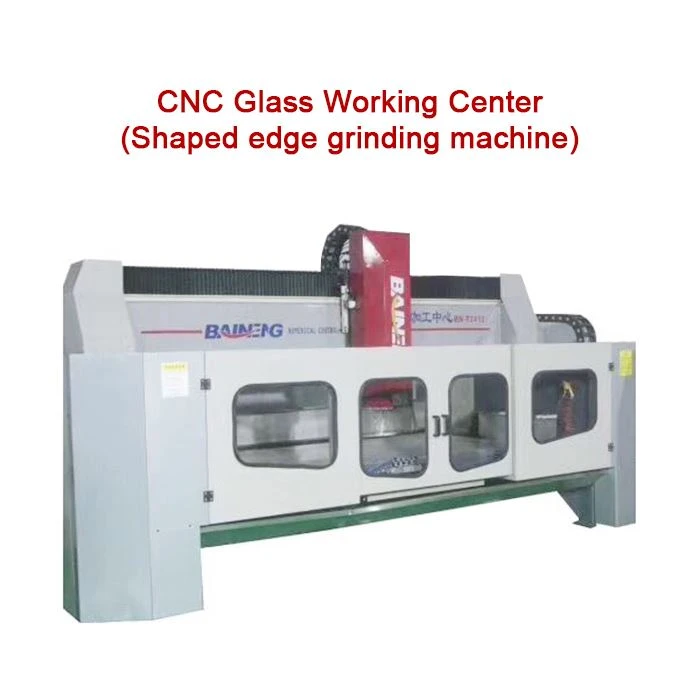

Noise Reduction Measures
As a glass edging machine supplier, we are well - aware of the importance of noise reduction. We have implemented several measures in our machines to minimize the noise level.
One of the key methods is to use high - quality motors with advanced design and efficient operation. These motors are engineered to reduce mechanical vibrations and thus generate less noise. Additionally, we use advanced damping materials and structures in the machine's frame. These damping devices can absorb and dissipate the vibrations, preventing them from being transmitted as noise.
For the grinding wheels, we carefully select the appropriate type and specification according to the glass processing requirements. Using high - precision grinding wheels can not only improve the processing quality but also reduce the noise generated during the grinding process. We also optimize the feed rate and cutting parameters to ensure a smooth interaction between the grinding wheels and the glass.
Regular maintenance of the glass edging machine is also essential for noise control. By checking and tightening the loose parts, lubricating the moving components, and replacing the worn - out parts in a timely manner, we can keep the machine in good working condition and prevent the noise level from increasing.
Our Product Range and Noise - Friendly Features
At our company, we offer a wide range of glass edging machines, including Glass Edge Polishing Machine. These machines are designed with noise reduction in mind. Our engineers have spent a lot of time researching and developing new technologies to make our machines as quiet as possible without sacrificing performance.
Our Glass Production Machinery is suitable for large - scale glass production. Despite their high - volume processing capabilities, we have managed to keep the noise levels within an acceptable range. The use of advanced materials and precise manufacturing processes ensures that these machines operate smoothly and quietly.
For those who need more precise glass processing, our CNC Milling Glass machines are a great choice. These machines combine high - precision milling with low - noise operation, providing an ideal solution for high - end glass products.
Conclusion and Call to Action
In conclusion, the noise level of a glass edging machine is an important factor that should not be ignored. It affects the working environment, the health of workers, and the overall productivity of the glass processing operation. As a glass edging machine supplier, we are committed to providing our customers with high - quality machines that not only meet their glass processing needs but also have low noise levels.
If you are in the market for a glass edging machine, we invite you to contact us for more information. Our team of experts will be happy to assist you in selecting the most suitable machine for your specific requirements. Whether you are a small - scale workshop or a large - scale industrial manufacturer, we have the right solution for you. Let's work together to create a more efficient and quiet glass processing environment.
References
- Machinery Noise Control Handbook.
- Standards and Guidelines for Workplace Noise Management.