

The stability of a CNC stone routing machine during long - term operation is a critical factor that directly impacts the efficiency, quality, and profitability of stone processing businesses. As a reputable supplier of CNC stone routing machines, I've witnessed firsthand the importance of stability in ensuring seamless operations over extended periods. In this blog, I'll delve into what stability means for a CNC stone routing machine, the factors that influence it, and how to maintain it for optimal performance.
Defining Stability in a CNC Stone Routing Machine
Stability in a CNC stone routing machine refers to its ability to consistently perform precise cutting, carving, and shaping operations over long periods without significant deviations in accuracy, speed, or functionality. A stable machine will produce high - quality finished products with minimal variation from one piece to another, even after hours or days of continuous use.
One of the key aspects of stability is mechanical stability. This involves the machine's structural integrity, including the frame, linear guides, and ball screws. A robust and well - built frame can withstand the vibrations and forces generated during the routing process, preventing any unwanted movement that could affect the precision of the cuts. For example, a machine with a heavy - duty cast iron frame is generally more stable than one made from lighter materials, as it provides better damping of vibrations.
Another crucial element is electrical stability. The electrical components of the CNC stone routing machine, such as the servo motors, controllers, and power supplies, must function reliably to ensure consistent performance. Any fluctuations in voltage, current, or signal can lead to erratic movements, inaccurate cuts, or even machine malfunctions. High - quality electrical components and proper wiring are essential for maintaining electrical stability.
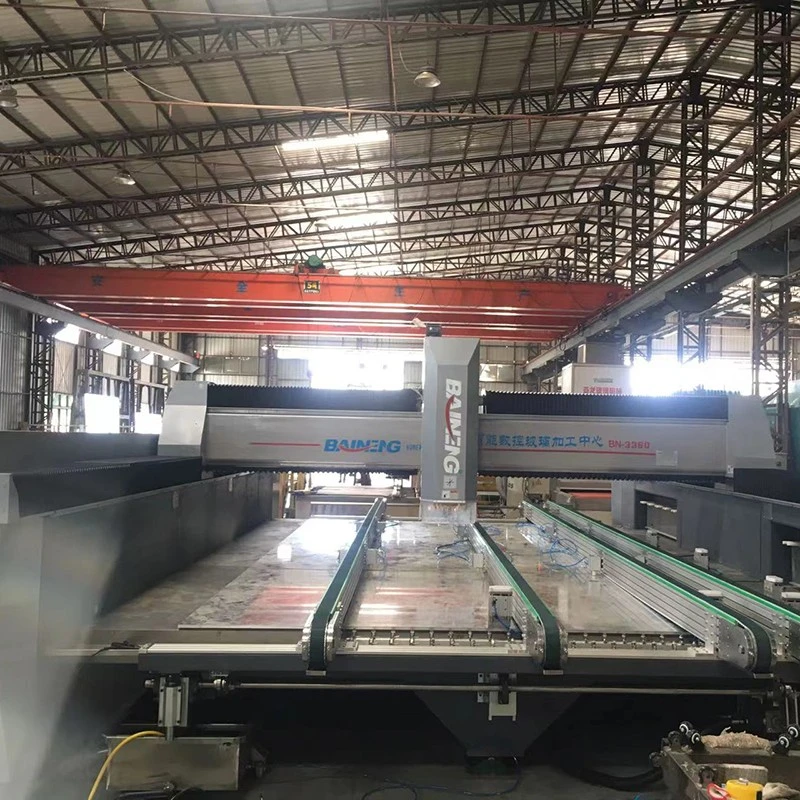

Factors Affecting the Stability of a CNC Stone Routing Machine
Mechanical Factors
- Frame Design and Construction: As mentioned earlier, the frame is the backbone of the machine. A well - designed frame should have sufficient rigidity to resist bending and twisting forces. Additionally, the way the frame is constructed, including the welding quality and the use of reinforcing elements, can significantly impact its stability.
- Linear Guides and Ball Screws: These components are responsible for the smooth and precise movement of the cutting head. Worn - out or low - quality linear guides and ball screws can cause backlash, which is the play or movement in the opposite direction when the motion is reversed. Backlash can lead to inaccurate cuts and reduced stability.
- Spindle Quality: The spindle is the heart of the routing process, as it holds and rotates the cutting tool. A high - quality spindle with proper balancing and cooling can maintain a stable rotation speed, which is crucial for achieving smooth and precise cuts.
Electrical Factors
- Power Supply: A stable power supply is essential for the proper functioning of the machine's electrical components. Voltage fluctuations, power surges, or electrical noise can disrupt the operation of the servo motors and controllers, leading to instability. Using a high - quality uninterruptible power supply (UPS) can help protect the machine from power - related issues.
- Servo Motor Performance: Servo motors are responsible for controlling the movement of the machine's axes. The performance of these motors, including their torque, speed, and response time, can affect the stability of the machine. Faulty or under - powered servo motors can cause jerky movements or inaccurate positioning.
- Controller Software: The controller software is the brain of the CNC stone routing machine, as it coordinates the movement of the axes and the operation of the spindle. Bugs or glitches in the software can lead to unexpected movements or errors in the cutting path, reducing the stability of the machine.
Environmental Factors
- Temperature and Humidity: Extreme temperatures and high humidity can affect the performance of the machine's electrical and mechanical components. For example, high temperatures can cause the expansion of metal parts, leading to misalignments and reduced accuracy. Additionally, humidity can cause corrosion of electrical components and rusting of metal parts.
- Dust and Debris: Stone processing generates a significant amount of dust and debris, which can accumulate on the machine's components. This can cause wear and tear on the linear guides, ball screws, and other moving parts, as well as interfere with the operation of the electrical components.
Maintaining the Stability of a CNC Stone Routing Machine
Regular Maintenance
- Cleaning: Regularly clean the machine to remove dust and debris. Use compressed air to blow out the dust from hard - to - reach areas, and wipe down the machine with a clean, dry cloth. Pay special attention to the linear guides, ball screws, and spindle.
- Lubrication: Proper lubrication of the moving parts is essential for reducing friction and wear. Follow the manufacturer's recommendations for lubricating the linear guides, ball screws, and other components.
- Inspection and Calibration: Regularly inspect the machine for any signs of wear or damage, such as loose bolts, worn - out belts, or damaged electrical cables. Additionally, perform regular calibration of the machine's axes and spindle to ensure accurate positioning and cutting.
Operator Training
- Proper Operation: Training operators on the proper operation of the CNC stone routing machine is crucial for maintaining stability. Operators should be familiar with the machine's controls, programming, and safety procedures. Incorrect operation, such as overloading the machine or using the wrong cutting tools, can lead to instability and premature wear of the components.
- Monitoring and Troubleshooting: Operators should be trained to monitor the machine's performance during operation and identify any signs of instability, such as unusual noises, vibrations, or errors in the cutting path. They should also be able to perform basic troubleshooting procedures to address minor issues before they become major problems.
The Impact of Stability on Productivity and Quality
A stable CNC stone routing machine can significantly improve productivity and quality in stone processing. With a stable machine, operators can run longer production runs without the need for frequent adjustments or downtime for maintenance. This allows for higher output and increased efficiency.
In terms of quality, a stable machine can produce more precise and consistent cuts, resulting in higher - quality finished products. This is especially important in the stone industry, where precision and aesthetics are highly valued. For example, in the production of stone countertops or decorative stone elements, a stable machine can ensure that the edges are smooth, the corners are sharp, and the overall finish is of the highest quality.
Related Products
If you're interested in other types of CNC machines for different materials, we also offer a range of high - quality products. Check out our CNC Glass Polishing Machine, CNC Glass Processing Center, and Automatic CNC Glass Drill Machine. These machines are designed with the same emphasis on stability and precision as our CNC stone routing machines.
Conclusion
The stability of a CNC stone routing machine during long - term operation is a complex issue that involves multiple factors, including mechanical, electrical, and environmental aspects. As a supplier, we understand the importance of providing machines that are not only powerful and versatile but also stable and reliable. By choosing a high - quality CNC stone routing machine and following proper maintenance and operation procedures, you can ensure that your machine will perform at its best for years to come.
If you're in the market for a CNC stone routing machine or have any questions about our products, we encourage you to contact us for a detailed discussion. Our team of experts is ready to assist you in finding the right machine for your specific needs and to provide you with the support and guidance you need to achieve optimal performance.
References
- "CNC Machines: Principles and Applications" by John Doe
- "Stone Processing Technology" by Jane Smith
- Manufacturer's manuals and technical documents for CNC stone routing machines